
Pallet Racking Configurations: Making Better Use of Limited Warehouse Space
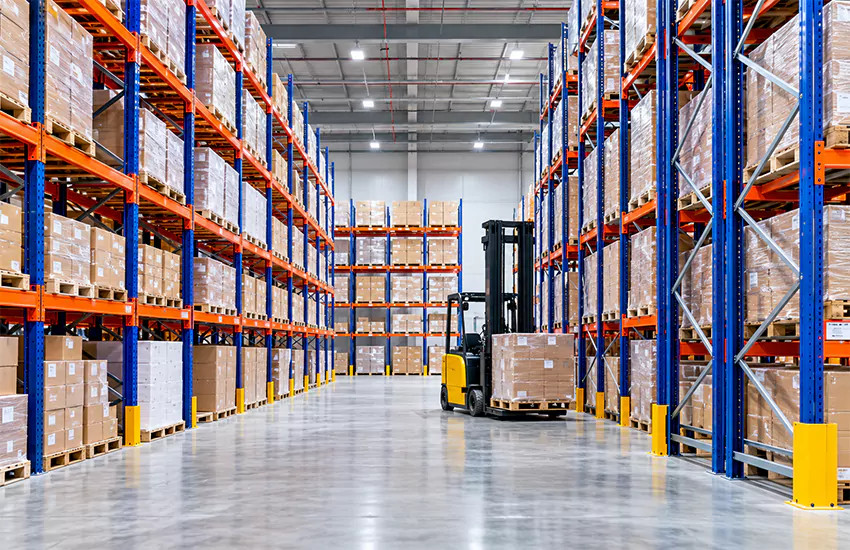
Limited warehouse space can become a challenge as inventory grows. Businesses may find that existing storage areas are becoming crowded, aisles are difficult to manage, and additional stock is taking up valuable floor space.
Expanding a warehouse is not always practical. In many cases, reviewing the existing storage layout and selecting a suitable pallet racking configuration can help businesses use their available space more effectively.
Start by Reviewing Your Existing Warehouse Layout
Before choosing a new racking system, assess how the current warehouse operates. Look at the space occupied by storage, the width of access aisles, the height available for racking, and the movement of goods throughout the facility.
It is also important to understand what you store. A warehouse handling a wide variety of products may need direct access to individual pallets, while a facility storing large quantities of the same product may benefit from a higher-density arrangement.
A layout that works well for one warehouse may not be suitable for another.
Which Pallet Racking Configuration Should You Consider?
Selective Pallet Racking
Selective pallet racking provides direct access to individual pallets. It is a practical option for warehouses with multiple product types, frequent picking requirements, and regular inventory movement.
Although this arrangement requires access aisles, the flexibility it offers can make stock management easier. The final layout should balance aisle requirements with the number of pallet positions needed.
Double-Deep Pallet Racking
Double-deep racking places pallets two positions deep, increasing the number of storage positions within a given area compared with a single-deep arrangement.
This option can suit businesses holding larger quantities of individual products. However, access to rear pallets is more restricted, and compatible handling equipment is required. These considerations should be evaluated before choosing this configuration.
Drive-In Pallet Racking
Drive-in racking allows forklifts to enter storage lanes, reducing the need for separate access aisles between every row. This can provide higher storage density when large quantities of similar products are stored.
The layout needs careful planning because access to individual pallets is more restricted than with selective racking. Inventory rotation, loading procedures, and the type of goods being stored all influence whether it is suitable.
Look Beyond Floor Space
Using the full available height of a warehouse can create additional storage opportunities, provided the building and racking design allow it.
Other factors also matter, including forklift turning space, aisle clearance, pallet dimensions, load requirements, sprinkler systems, and emergency access. Reducing aisle widths without considering handling equipment and safety requirements can create operational problems rather than solve them.
The goal is not simply to fit more racks into the building. It is to create a layout that supports storage capacity, safe access, and efficient movement of goods.
Plan Your Racking Layout Around Your Business
When floor space is limited, the right pallet racking configuration depends on inventory characteristics, handling methods, and day-to-day warehouse operations. Comparing different layouts before installation can help businesses make informed decisions and avoid costly changes later.
At WRS, we help businesses assess their storage requirements and explore suitable warehouse racking systems. Contact our team to discuss your warehouse layout and identify options that fit your available space and operational needs.